Tree Planting:
Critical Indian River Lagoon Island Restoration
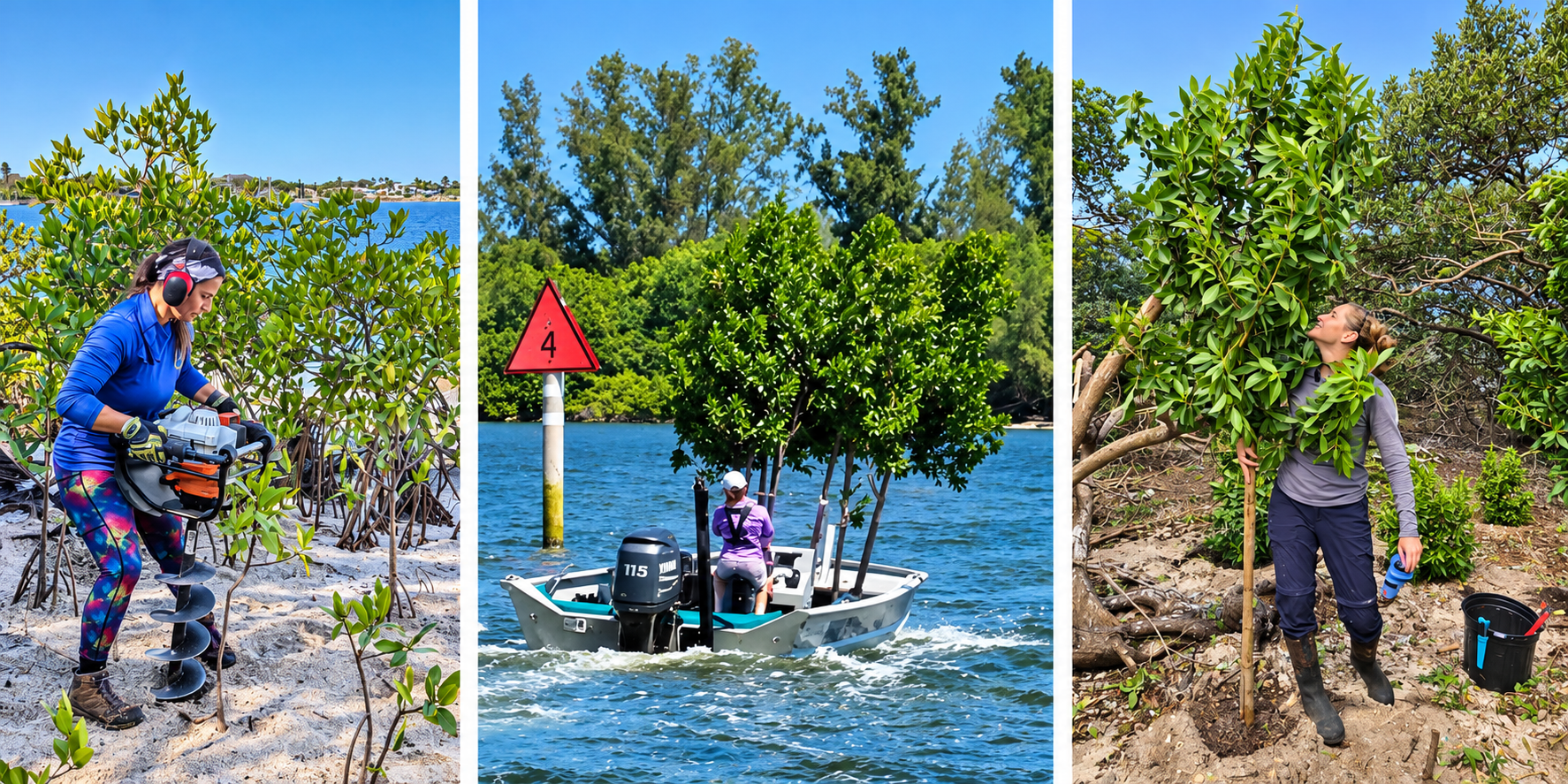
The continuation of two vital Indian River Lagoon restoration projects is scheduled by the FDEP, IRL Aquatic Preserves team, to begin, November 2026; however, the projects require a little extra lift for success.
Due to the freeze last year, we have to replace some lost habitat.
The goal is to raise $3,000 to help complete the project and provide the remaining trees and support needed for successful installation.
These projects will restore and increase habitat for Threatened Species & Species of Greatest Conservation Need.
Planting Locations
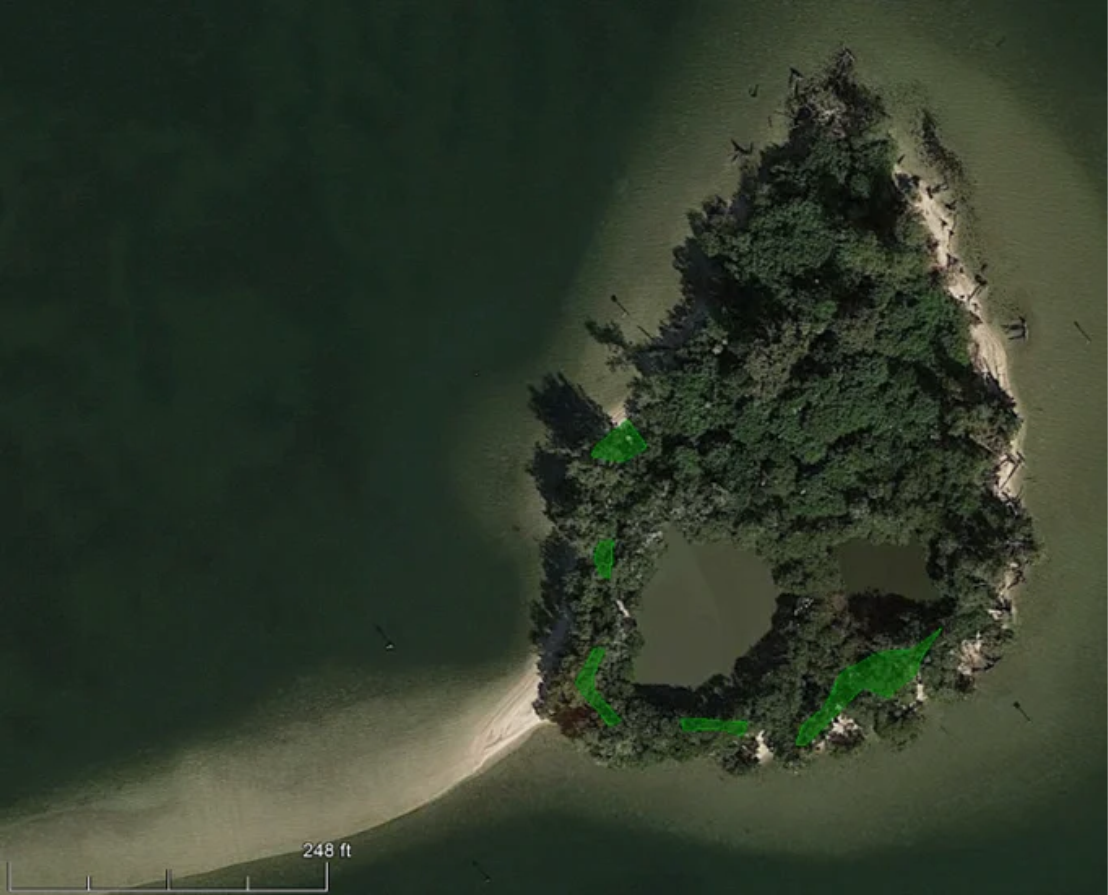
Brevard County Indian River Lagoon Spoil Island BC49 Critical Wildlife Area: rookery island for many species of wading birds and seabirds, also providing habitat to Species of Greatest Conservation Need, such as diamondback terrapins and banded tulip snails.
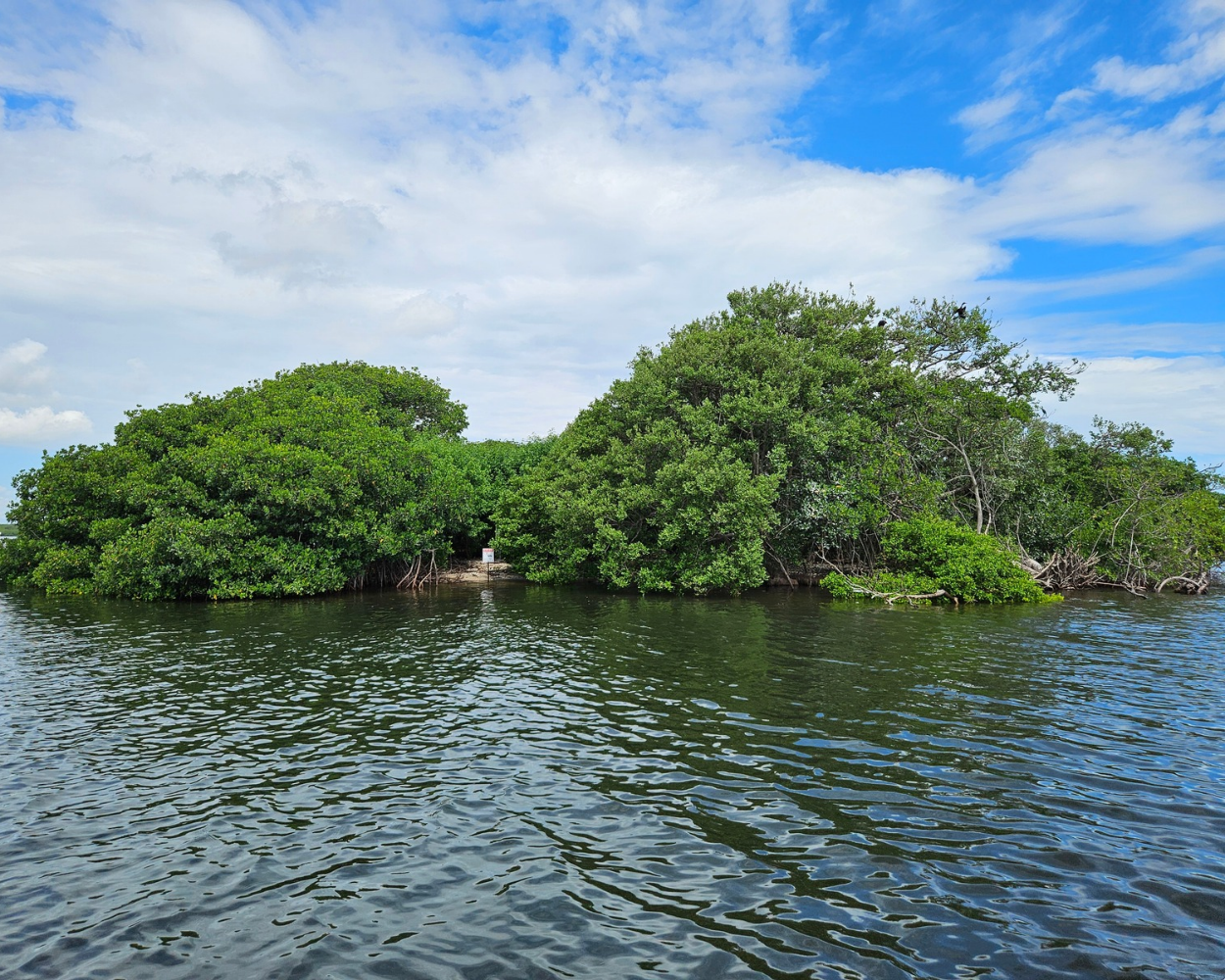
Indian River County Indian River Lagoon Spoil Island IR26B Conservation Area: rookery for many species of wading birds, also providing habitat to Threatened Species, such as Roseate Spoonbill and Tricolored Heron.
*Due to the high number of nesting birds on these islands, all planting activity is conducted during the non-breeding/nesting season.
Installation Directive
Remove Highly Invasive Brazilian Peppertrees.
Plant buttonwood bushes.
Plant large mangroves, red, black, and buttonwood trees. Larger trees fill in the canopy at restoration areas providing nesting substrate and cover for birds sooner, and have an increased likelihood of survival.
*This project restores essential habitat structure, protects biodiversity, enhances safety for wading birds, and improves foraging and nesting conditions—creating the foundation for numerous species to thrive.
To make a donation by mail: Please make checks payable to GreenSpace Water Alliance and send to: GreenSpace Water Alliance, 5445 Murrell Rd, Ste 102, Rockledge, FL 32955.
We hope this project inspires you to stay involved, spread the word, and continue caring for the wildlife, waterways and green spaces that sustain us all. Thank you for showing up, for giving so much, and for being part of the solution.
With heartfelt appreciation and gratitude, we thank you for your support.

Meet the known inhabitants of Island BC49-Critical Wildlife Area.
Bat species identified through acoustic monitoring: Big Brown Bats, Lasiurine, Myotis, Evening, Tri-colored, and Free-tailed Bats.
Species of Greatest Conservation Need
~Diamondback Terrapins and Banded Tulip Snails: Are wildlife species that require conservation attention due to low and declining populations, vulnerability, or other risk factors. These species are identified in Florida's Wildlife Action Plan. They are prioritized for conservation efforts because they are at risk, and conservation actions can help them.
Nesting seabirds and wading birds: Brown Pelican, Wood Stork, Roseate Spoonbill, Little Blue Heron, Tricolored Heron, Great Blue Heron, Great Egret, Snowy Egret, Cattle Egret, White Ibis, Black-crowned Night Heron, Anhinga, Double-crested Cormorant, and Glossy Ibis.
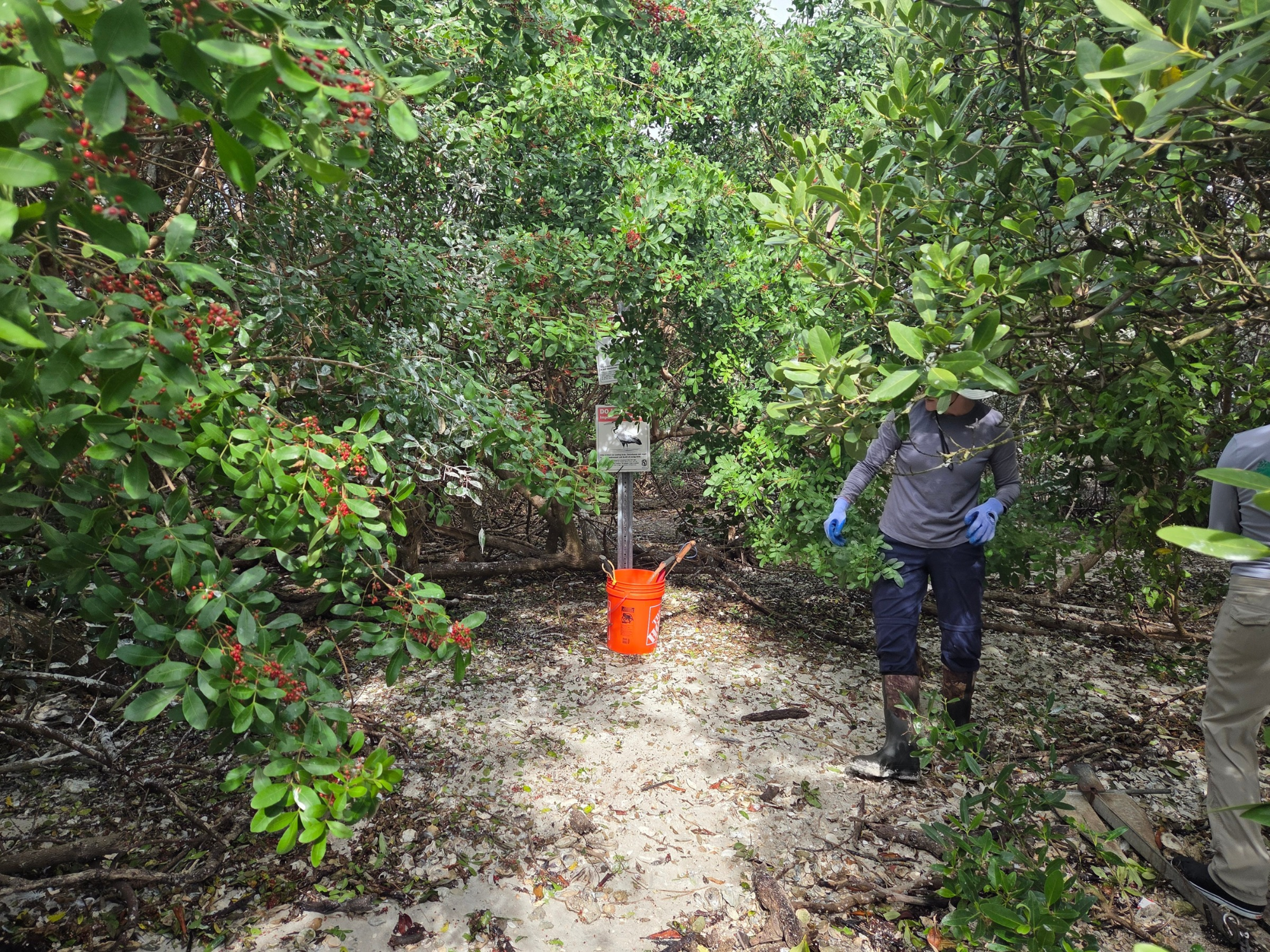
Why Brazilian Peppertree Removal Matters
Removing Invasive Brazilian Peppertrees from Indian River Lagoon conservation areas is critical because they directly degrade habitat quality. This invasive species can alter island form and hydrology, destabilize shorelines, and negatively impact inundation patterns that are vital for nesting and foraging. Peppertrees form dense, monotypic thickets that crowd out native plants and mangroves. By displacing native plants, peppertrees simplify the food web. Native vegetation supports the small fish and invertebrates wading birds depend on. Fewer native plants → fewer prey → lower foraging success, especially during nesting season when energy demands are highest.
The payoff of removal:
Restored native plant communities (mangroves/buttonwoods)
Improved nesting success
Healthier fish and invertebrate populations
Greater resilience to storms, sea-level rise, and water-quality stressors
Visible, measurable conservation gains
Peppertree removal is foundational. Without it, threatened wading birds lose the habitat structure, food base, and safety they need to persist in the Indian River Lagoon.